

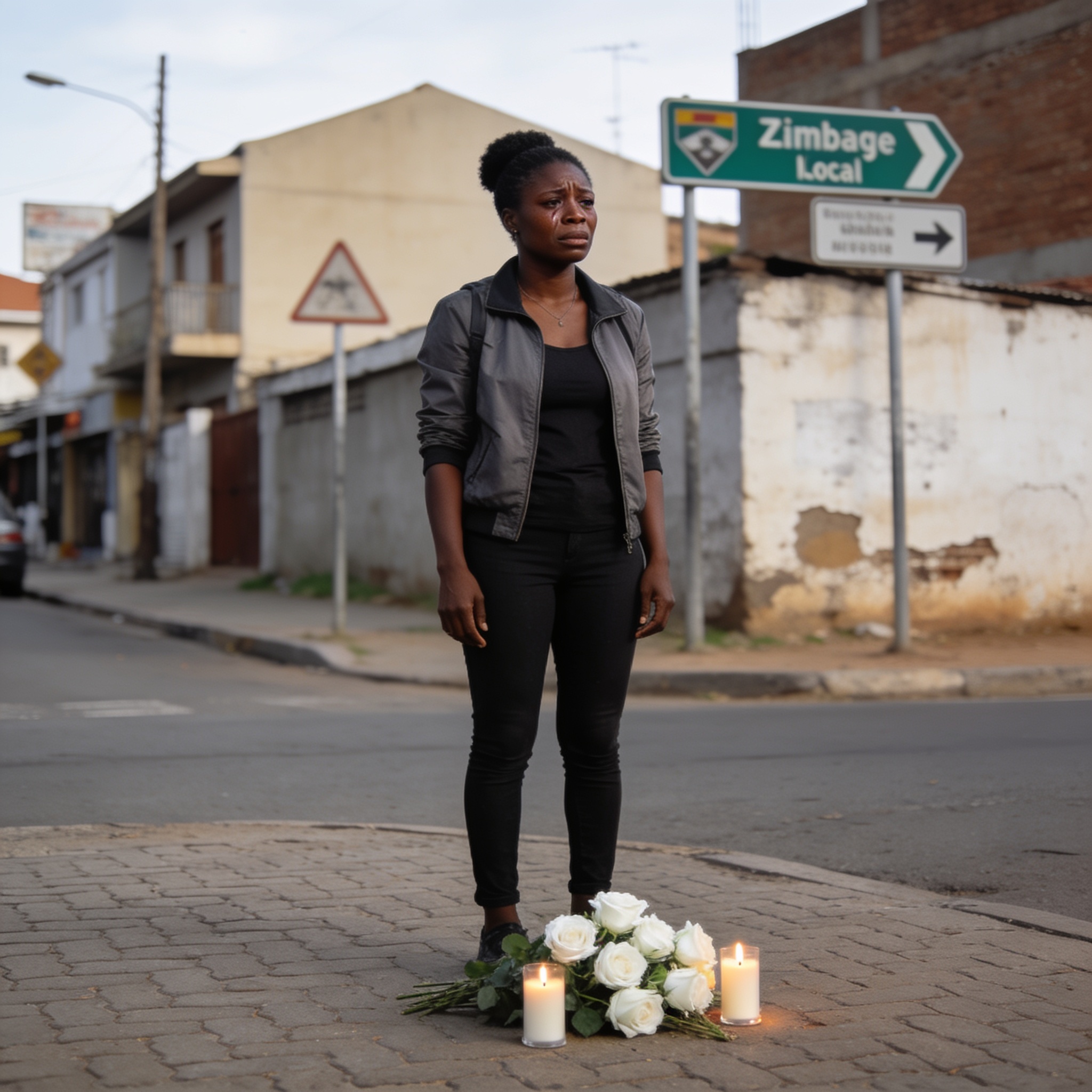
A Zimbabwean organisation that works with the girl child has called for intimate partner killings to be treated as a national emergency after recording the deaths of at least 13 women and children in domestic settings over a four-month period.
Shamwari Yemwanasikana made the appeal in a statement issued on Thursday, 24 September 2026, saying the country is no longer dealing with a series of isolated domestic quarrels but with femicide on a scale that demands a State-level response.
A pattern spread across the country
According to the organisation, the deaths were recorded between June and September 2026 in communities that stretch from Harare’s southern and eastern suburbs to Matabeleland and Manicaland. It named Chikanga, Nkulumane, Southlea Park, Shamva, Hatfield, Glen View and Darwendale among the locations, and said the toll also reached a Zimbabwean family living in the United Kingdom.
Three of the areas cited — Southlea Park, Hatfield and Glen View — fall within the Harare metropolitan area, underlining how close the crisis sits to the capital’s own neighbourhoods.
Those killed, the organisation said, include a pregnant woman, a serving police officer, a mother and her two daughters, and two girls aged five and two.
Weapons and escalation
Shamwari Yemwanasikana said disputes that began as minor disagreements over childcare or other family matters were ending in brutal killings, with hammers, axes, firearms and fire used against the victims.
The organisation argued that the character of the violence — its frequency, its lethality and the weapons involved — separates it from the ordinary domestic dispute framing that often follows such deaths.
Children left behind
A central concern raised in the statement is the fate of children who survive these killings. The organisation said many of them watched their mothers being murdered and are now orphaned, traumatised and exposed to further harm, including neglect, stigma, exploitation and being moved between relatives without proper care arrangements.
It noted that as an organisation whose work centres on empowering girls, it views the killing of a mother by a father as a direct blow to that child’s future.
What the organisation is demanding
- That the Zimbabwe Gender Commission intervene decisively and use its constitutional mandate to push the issue to the Office of the President and Cabinet, Parliament and the Ministry of Women Affairs.
- That intimate partner murders be formally declared a national emergency.
- That the Department of Social Welfare, the Victim Friendly Unit and their partners urgently provide psychosocial support, safe shelter and long-term care plans for surviving children.
- That those children’s rights to life, education and healing be guaranteed rather than left to the goodwill of extended families.
Pressure on institutions
The call shifts attention to institutions that already hold legal responsibilities in this area. The Zimbabwe Gender Commission is constitutionally mandated to investigate and address gender-based discrimination and to recommend action to the State. The Department of Social Welfare carries the statutory duty to protect children at risk, while the Zimbabwe Republic Police’s Victim Friendly Unit is the specialised arm that handles survivors of sexual and gender-based violence.
Whether the appeal translates into an official declaration will depend on how far those institutions are willing to carry it. The organisation’s framing suggests it does not expect the response to be confined to a public statement.
Deaths that stay in the home
The statement’s most pointed observation is that homes, which are assumed to be the safest places for women and girls, are proving to be the most dangerous for them. That reversal, the organisation argues, is why the response cannot be left to individual families or to the courts alone.
Its intervention lands amid a broader run of violent crime in the country. On the same day the statement was issued, police in Bulawayo confirmed they were investigating two separate murder cases in which men were stabbed to death on Tuesday, while a stock theft operation in Nyamapanda and along the Harare–Bulawayo Road saw eight suspects arrested and more than 100 goats and sheep recovered.
For Shamwari Yemwanasikana, however, the priority is narrower and more urgent: the women and girls who are being killed by the people they live with, and the children who are left to grow up without them.