

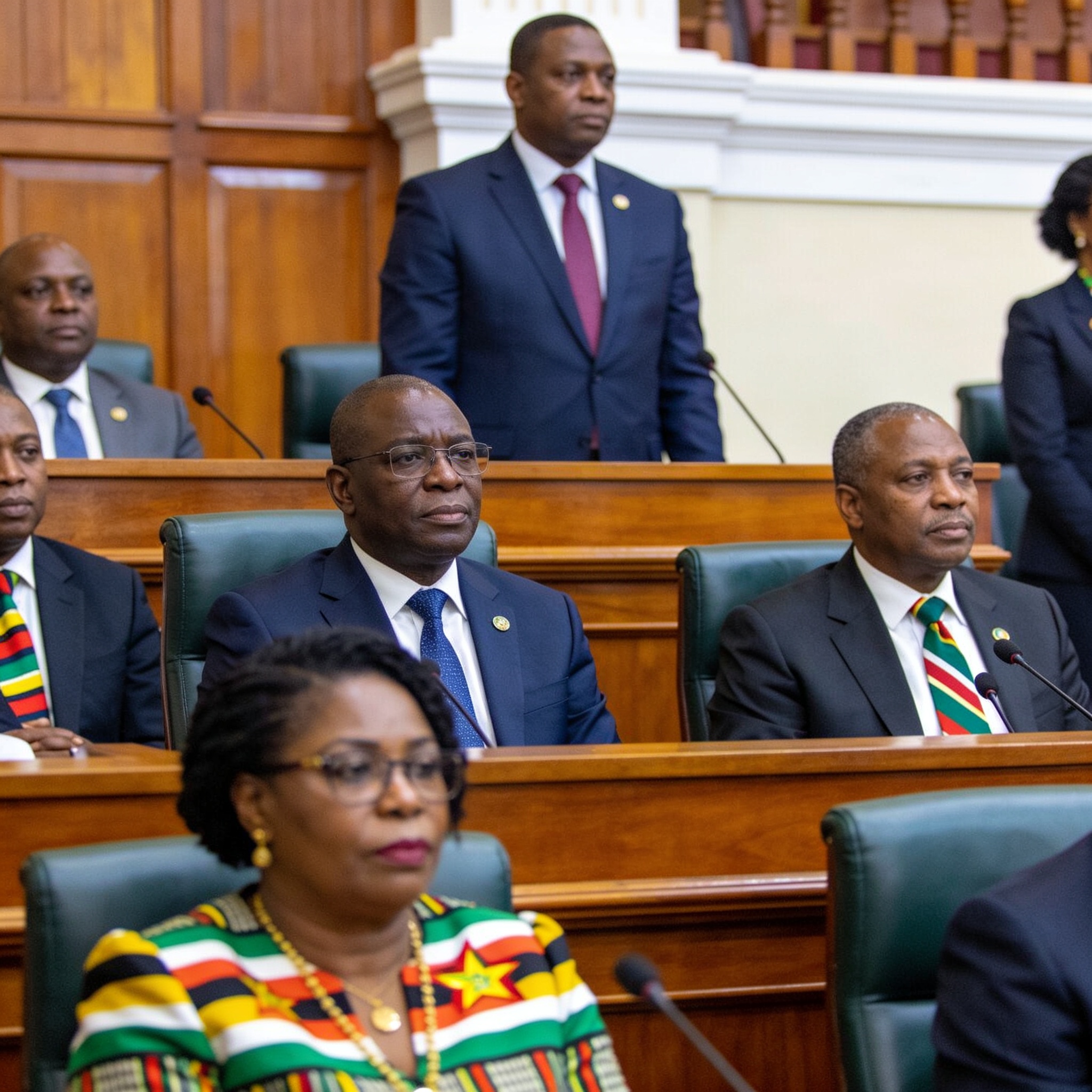
President Emmerson Mnangagwa’s latest senatorial appointments took effect on Wednesday as businessman Kudakwashe Tagwirei and nine other individuals were sworn into the Upper House. The ceremony, held at Parliament Building in Harare, follows the enactment of Constitutional Amendment Act No. 3, which increased the Senate’s size from 80 to 90 members and granted the President authority to appoint ten senators based on professional skills and competencies.
Swearing-In Ceremony at Parliament Building
Among those sworn in are notable Zanu PF provincial chairpersons: Jabulani Sibanda (Bulawayo), Godwills Masimirembwa (Harare), and Mary Mliswa (Mashonaland West). Retired Major-General Gibson Mashingaidze, who chairs the War Veterans League in Masvingo, also took the oath, as did former minister Makhosini Hlongwane, who has been largely absent from the political scene since the 2017 transition. The other appointees are Nokuthula Matsikenyere, Lucy Chitaga, Brilliant Dube, and Irene Mutumbwa.
Controversy Surrounding the Selection Process
The appointments have drawn sharp criticism from opposition parties and civil society, who argue that the nominees were selected primarily for their loyalty to the ruling party rather than their professional expertise. Critics point out that many of the appointees actively campaigned for the constitutional amendment bill, and some have been rewarded with Senate seats for their support. Dube, for instance, was previously a member of the Constitution Defenders Forum, which opposed the amendment, but she later changed her position.
Tagwirei’s Political Ascendancy
Tagwirei, a close ally and advisor to President Mnangagwa, has been widely touted as a potential successor. His appointment to the Senate further solidifies his influence within Zanu PF and the government. The expanded Senate now includes 10 presidentially appointed members alongside the 80 elected and provincial representatives.
The swearing-in ceremony marks another step in the implementation of the controversial constitutional changes, which some legal experts have described as a move to consolidate power. As the new senators assume their roles, attention will turn to how they use their positions and whether the promised professional skills will translate into meaningful legislative contributions.