

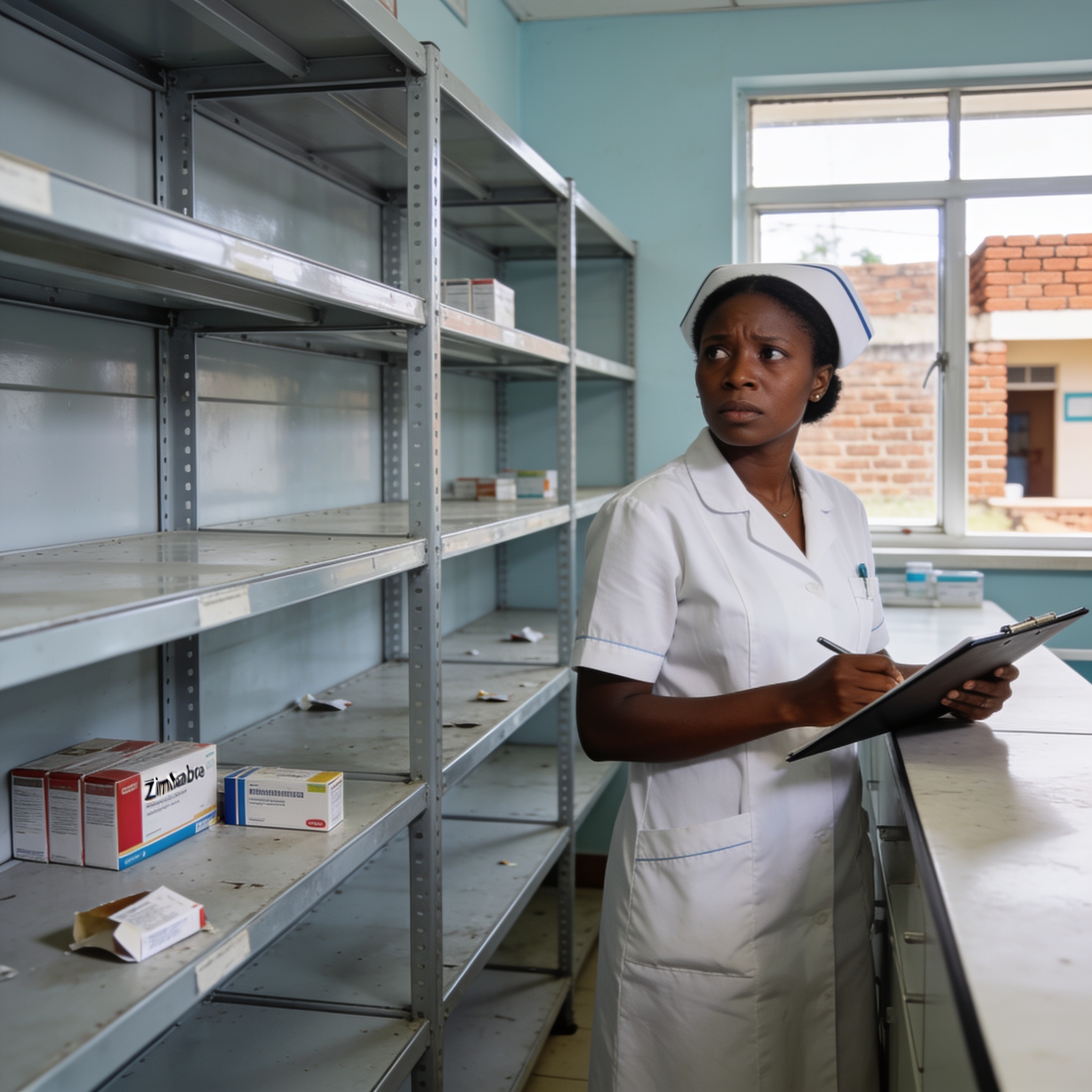
Zimbabwe’s public health delivery system is teetering on the edge of a full-blown crisis after it emerged that government hospitals and clinics in Matabeleland have accumulated a debt of close to US$2.7 million owed to the National Pharmaceutical Company (NatPharm). The arrears, which have been building up since 2024, are now directly linked to severe shortages of basic and life-saving medicines across the region.
Parliamentarians conducting an oversight visit to the NatPharm warehouse in Bulawayo over the weekend were confronted with stark evidence of the funding failure. Shelves that should stock paracetamol tablets and injections stand empty. Critical antibiotics, intravenous fluids, psychiatric drugs and medicines for non-communicable diseases such as insulin are either exhausted or dangerously low. Officials on site estimated that remaining stocks of the widely used antibiotic ceftriaxone would last no more than a month.
The crisis is compounded by the fact that indebted hospitals are continuing to place orders under the Zimbabwe Assisted Pool System (ZAPS), a financing model that gives health institutions autonomy over spending government-allocated funds, even when they are not settling their bills with the state-owned pharmaceutical distributor.
NatPharm officials have warned that the financial shortfall is not limited to the existing debt. The company requires approximately US$47 million in 2026 to procure essential medicines covering non-communicable diseases, maternal and child healthcare, surgical supplies and treatments for sexually transmitted infections. Donors and development partners have so far committed only US$6 million, leaving a gaping hole that leaves millions of Zimbabweans at risk.
The shortages recorded in Bulawayo are a microcosm of a deeper structural problem that threatens the entire public health system. Medicines as fundamental as metronidazole intravenous infusion, carbamazepine for epilepsy management, and insulin for diabetic patients are currently unavailable or in critically short supply. Without urgent intervention, patients with chronic conditions may be forced to seek expensive private alternatives or go without treatment entirely.
Members of the Parliamentary Portfolio Committee on Health and Child Care, who conducted the verification tour on Saturday, are now expected to compile recommendations on how to break the cycle of debt, replenish stocks and reform the financing mechanisms that have allowed hospitals to accumulate arrears while still demanding fresh supplies.