

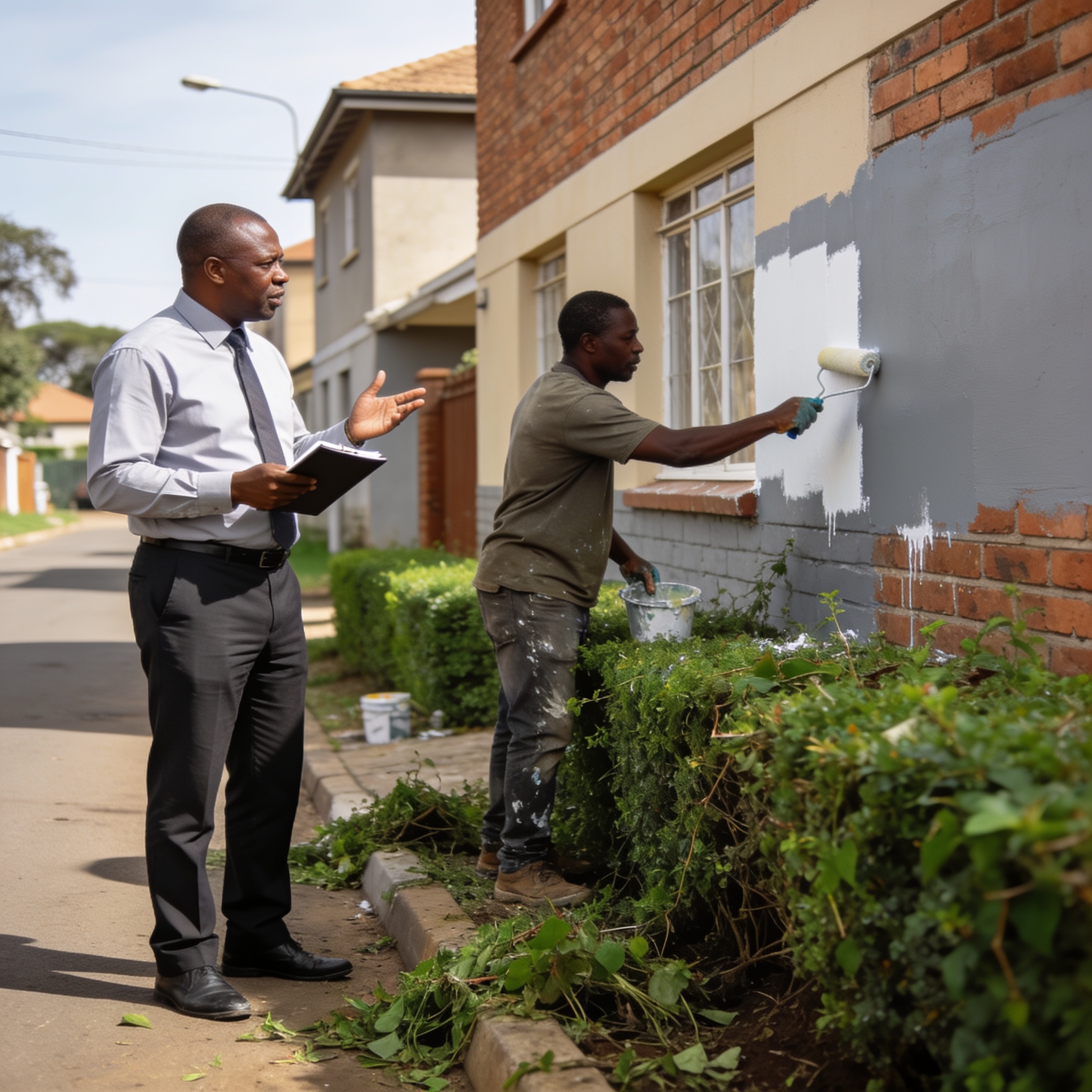
Harare property owners have been put on notice to tidy up their buildings and developments, in a fresh push by the local authority to lift the visual and physical condition of the capital.
The directive was issued by acting town clerk Warren Chiwawa in a public notice dated 19 September 2026. It applies to every building and development inside the city’s boundaries, meaning the requirement is not confined to the central business district or to high-profile commercial addresses.
In practical terms, the notice puts landlords, corporates and individual homeowners on the same footing: premises are expected to be kept in a presentable and safe condition, and neglect will no longer be treated as a private matter between an owner and a crumbling wall.
A city struggling with its own image
The instruction lands at a time when Harare’s appearance has become a recurring talking point. Peeling paint, unkempt yards, abandoned shells and overgrown verges are common sights in both the CBD and the older suburbs, and the city has repeatedly argued that shabby surroundings undermine investor confidence and depress property values.
For ratepayers, however, the notice raises uncomfortable questions about cost. Many property owners are already straining under rates bills, water charges and the expense of basic repairs, and some are likely to argue that the council should first fix the infrastructure it controls — roads, street lighting, water supply and refuse collection — before policing the appearance of private buildings.
City Hall’s position is that both responsibilities can run in parallel. A well-kept streetscape, the argument goes, is part of the same service-delivery package as functioning drains and reliable waste collection, and a capital that looks neglected struggles to attract the investment it needs.
Ashdown Park eviction dispute refuses to go away
The clean-up drive is not the only matter testing City Hall’s credibility. Ward 16 Harare West councillor Denford Ngadziore has described the eviction dispute at Ashdown Park Extension as most unfortunate, saying desperate home seekers are carrying the heaviest burden in a fight they did not create.
His intervention reflects a wider frustration in Harare’s western suburbs, where families who paid for land in good faith have found themselves caught between developers, council records and the courts. People who simply wanted a place to build a home have been left to shoulder the consequences of disputes over allocations they had no part in negotiating.
The councillor’s call for the matter to be probed puts the spotlight back on how the city approves, monitors and records housing developments on its fringes — and on whether adequate checks are done before land is sold to ordinary residents.
Across Harare’s peri-urban belt, similar disputes have flared where stands were sold without properly completed paperwork, where developers overstepped approved plans, or where council allocation records did not match what buyers were shown on the ground. The result is often the same: eviction threats, legal costs and families left in limbo.
Governance test for the capital
Taken together, the two issues capture the dual pressure on Harare’s leadership. On one side, the city wants residents and businesses to meet their obligations and help restore order and dignity to the urban environment. On the other, it faces demands to explain how its own processes allowed vulnerable home seekers to end up in such a precarious position.
How City Hall handles both will shape public trust. Enforcement of the sprucing-up notice will be judged on whether it is applied fairly — and whether the council leads by example on the properties it owns. The eviction dispute will be judged on whether an investigation delivers real answers for the families affected, rather than another round of blame-shifting between developers and officials.
For now, property owners in the capital have a clear instruction to act on. Home seekers at Ashdown Park Extension are still waiting for clarity on whether they will keep the ground they paid for.