

Zimbabwe Mourns Chivayo Family as Drought, Rail and Digital Priorities Shape National Conversation
A helicopter accident near Marondera has brought a moment of national shock, prompting tributes from senior leaders, postponed private celebrations and renewed debate about wealth, patronage and public accountability in Zimbabwe.
Businessman Wicknell Chivayo and his wife, identified as Lucy Muteki, were among five people killed when a Bell 430 aircraft came down while returning from Chikomba. The victims also included an aide and two pilots, according to official identifications released Thursday.
Recovery, condolences and continuing investigation
Emergency teams and aviation investigators were deployed to the crash site, where officials said fuel spilled and caught fire after the aircraft struck the ground. The recovery operation was described as complex because of the severity of the damage, and remains were transported for formal identification and post-mortem procedures. Civil aviation authorities have emphasized that the cause remains under investigation, cautioning against drawing conclusions before a technical report is completed.
President Emmerson Mnangagwa expressed deep personal grief and said the loss had left many families shattered. In his message, he recalled speaking with Chivayo shortly before the accident and described the late businessman as a philanthropist whose activities touched sport, religion, culture and public service. He framed the Chivayos final trip as part of private development work in rural Chikomba.
Public response and accountability questions
The crash has also reopened difficult conversations. Chivayo had become widely known for conspicuous generosity and for a public profile linked to senior political circles. Past allegations and controversies concerning access to public contracts and private financial arrangements have circulated for years. These matters should be separated from the ongoing aviation investigation, but they remain part of the public debate.
In Harare and other towns, reactions reflected a country trying to balance condolence with questions about inequality, governance and trust. Some citizens mourned a sudden loss while others pointed to the frustration many feel when legal and procurement systems appear opaque. That tension suggests why tragedy in Zimbabwe often carries wider meaning: it exposes unresolved expectations around fairness and institutional credibility.
Other national priorities advance
Even as mourning unfolded, several sectors pressed forward with announcements that matter to ordinary Zimbabweans.
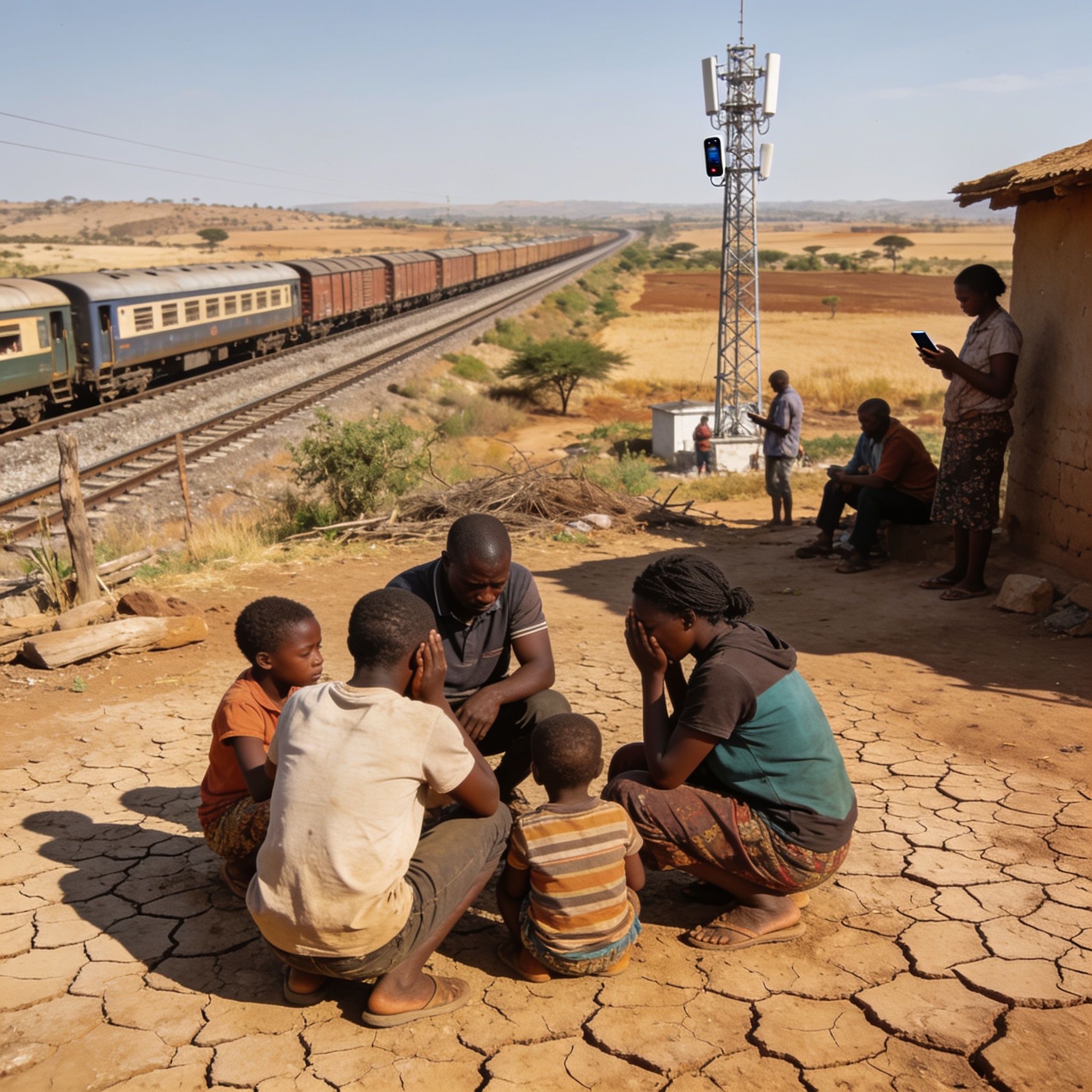
Agricultural authorities and agribusiness firms have urged farmers to prepare for an El Nino-linked dry spell through moisture conservation, water harvesting, soil health measures and community savings vehicles. Government planners have also highlighted the need to avoid repeating severe drought crises of past decades by using data-driven responses and grain supply strategies for vulnerable households.
In the tobacco sector, regulators are moving toward a stronger link between ESG performance and future annual licensing for contractors. After a record crop, the policy direction signals an effort to align export markets, environmental standards and social governance with Zimbabwean farmer incomes. For small growers, the practical test will be whether compliance requirements are clear, affordable and beneficial.
Digital policy is another area of national interest. Zimbabwe candidate Dr Cosmas Zavazava, seeking the director position at the International Telecommunication Union Telecommunication Development Bureau, has highlighted digital transformation priorities. If successful, the role could help position the country within global standards for connectivity, telecom development and technical cooperation.
Transport and energy news also carried economic weight. National Railways of Zimbabwe development partners have discussed restoring freight volumes toward a 12-million-tonne target under the country’s National Development Strategy, while rail investment models are being examined to attract private capital. Meanwhile, a proposed large distributed solar programme is seen as a possible route to export earnings, and experts have called for innovative climate finance mechanisms, including a green sovereign bond facility.
Sport and enforcement notes
Sports governance remained in focus after disciplinary charges were filed against a football club over an alleged ineligible player in a cup fixture. The case, handled through league and association processes, reminded administrators that competition fairness depends on transparent registration rules and timely adjudication.
Musician Jah Prayzah and his partner Rufaro Mukombe postponed their wedding plans, saying they wished to honour the memory of Chivayo and mourn with the families affected by the crash. The couple described the late businessman as a close friend and supporter, illustrating how personal networks can extend across entertainment, business and public life.
What Zimbabwe needs next
For News-Harare readers, the moment calls for careful attention. First, investigators should publish a clear aviation findings report. Second, government communications should keep condolence separate from claims about private investment or political alignment. Third, institutions should address public concerns about procurement integrity and equal access to justice without speculation.
The broader agenda remains urgent: strengthening drought resilience, improving transport economics, supporting agriculture compliance, expanding digital connectivity and restoring confidence in public processes. Zimbabwe can honor lives lost while choosing policies that reduce risk, improve accountability and create practical opportunities for families and businesses.