

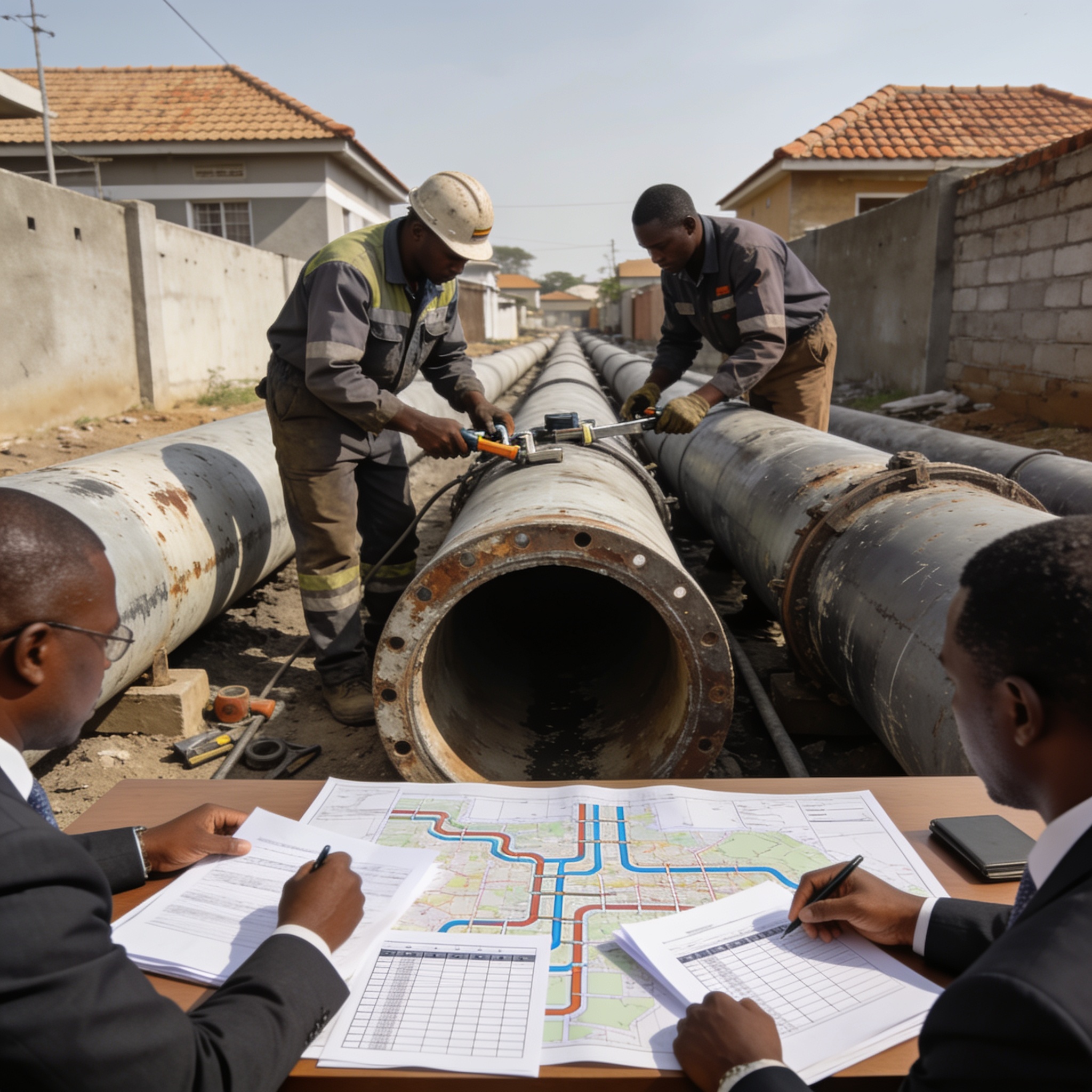
Harare’s public-service conversation this week is not only about leaks and pipes. It is about money: where wastewater revenue goes, who controls it, and whether residents should be asked to fund repairs again after years of failing infrastructure.
On 30 September 2026, attention is focused on a parliamentary committee report that questions why Harare and Chitungwiza are approaching government for emergency support while wastewater collections and environmental penalties may have been mixed into broader local government finances rather than being preserved for sewer repairs. The issue matters beyond accounting. For households, businesses, schools and clinics, sewage overflow and water supply are immediate health and safety risks.
Why a sewer fee controversy matters for Harare and Chitungwiza residents
Both cities serve large populations, and parts of metropolitan Harare face chronic infrastructure pressure. Committee concerns include major pollution and water-treatment hotspots, including Amalinda Crossing and Morton Jaffray. The proposed spending includes trunk-main construction to reduce raw sewage discharge and urgent pumping equipment at water works. Engineers have warned that failure to act could deepen shortages across Greater Harare, with nearby areas also exposed to supply disruption.
The strongest point for residents is trust. If service charges are meant to support water and sanitation, then a request for bailout money invites public demand for clear proof that earlier collections were used properly.
What the parliamentary report signals about local government
The committee’s view suggests two failures happening at once. First, infrastructure has been allowed to deteriorate for years. Second, revenue intended for maintenance and pollution control may not have been protected in dedicated accounts. This combination makes ordinary residents pay twice: once through rates and fees, and again through bailout funds or emergency allocations.
Committee members also raised broader enforcement concerns. Environmental compliance has often struggled where councils claim operational disruptions, including power failures. The report recommends stronger legal tools, including clearer protection of wastewater revenue and environmental fines, modern by-laws based on polluter responsibility, and faster capitalisation of the National Environmental Fund.
Finance and service delivery are now inseparable
Zimbabwe’s economic backdrop gives this story more weight. The Reserve Bank has eased its policy rate from 30% to 27.5%, a move that may slightly lower borrowing costs but still leaves credit expensive. Meanwhile, the August trade surplus jumped sharply, supported by stronger exports. In business, Simbisa Brands reported a major rise in operating profit, helped by record customer traffic.
Those indicators are encouraging, but they do not automatically reach sewer chambers, water treatment plants or street drains. A country can show better macro numbers and still have residents suffering when local infrastructure is poorly managed. That gap is what makes this bailout debate politically and socially sensitive.
What News Harare readers should watch next
For Harare and Chitungwiza residents, the next questions are practical: will emergency money be released, who controls it, and will repairs begin before another rainy season intensifies overflow and water-quality risks? If councils seek public support without showing transparent spending, accountability pressure will grow.
At its core, this is not simply a sanitation story. It is a test of whether Zimbabwe’s devolution framework can deliver visible results at the level where daily life is shaped: clean water, functioning sewers and responsible local government.