

Zimbabwe’s leading stories on September 29, 2026, centre on monetary easing, a constitutional challenge to proposed presidential-election changes, a deadly crowd incident in Harare, and signs of stronger external trade. For readers tracking the capital, the day mixes cautious economic relief with unresolved political and safety questions.
Reserve Bank lowers policy rate but keeps guardrails
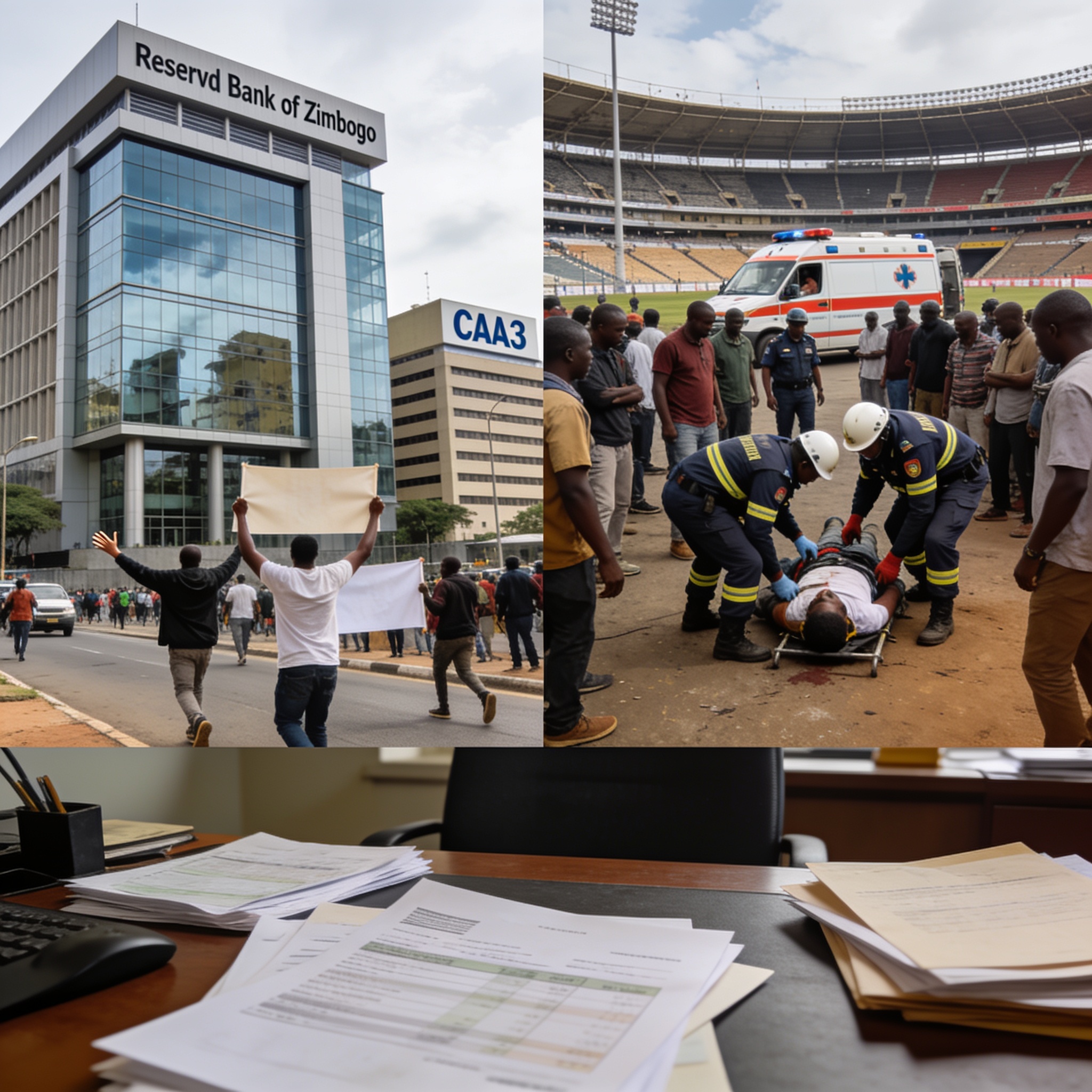
The Reserve Bank of Zimbabwe reduced its benchmark lending rate to 27.5 percent from 30 percent, the second cut this year. Governor John Mushayavanhu said the Monetary Policy Committee remains watchful about international fuel prices, Middle East tensions and possible climate risks in the 2026 and 2027 farming season.
Annual ZiG inflation eased to 2.9 percent in August before edging up to 3.7 percent in September. The committee expects annual inflation to remain in single digits and below 7 percent by year end. It still forecasts about 5 percent economic growth, supported by mining and agriculture.
The central bank also lowered the Targeted Finance Facility rate to 12.5 percent and capped bank on-lending to productive sectors at 22.5 percent. Foreign-exchange receipts rose to about $14.3 billion in the first eight months of 2026. Local-currency reserves exceeded $2 billion, and the exchange rate held near 25 to 27 ZiG per U.S. dollar.
CAA3 court fight shifts to procedure
The debate over Constitution Amendment Number 3 reached the Constitutional Court in a hearing on the question of whether the challenge can proceed directly there. Six former national liberation fighters, including Reuben Zulu and Godfrey Gurira, applied for direct access. The state argued the applicants should have used the High Court first and that the amendment had already completed all required legislative steps.
For the applicants, Professor Lovemore Madhuku argued the case has exceptional national importance and should not be delayed by ordinary procedure. At issue is a proposal that would replace direct voter election of the president with selection by Parliament sitting jointly and extend the presidential term from five to seven years. The change would affect the current government’s timeline toward 2030.
The court reserved its judgment. If direct access is denied, the substance of the challenge could move to the High Court and take many months. If direct access is granted, Zimbabwe could face a fuller constitutional review on whether a parliamentary supermajority can alter the basis of presidential elections without a referendum. The outcome will also shape political debate inside ZANU-PF and pressure among opposition parties.
Fatal crowd incident at National Sports Stadium
A supporter died at the National Sports Stadium during Monday’s Africa Cup of Nations qualifier against the Democratic Republic of Congo after a crush near Gate 2 involved a police public-order vehicle. Zimbabwe Republic Police spokesperson Paul Nyathi confirmed the fatality, expressed condolences to the family, and said a comprehensive investigation was under way to establish the sequence of events.
The match marked Zimbabwe’s first competitive return to the renovated Harare venue in several years and drew a large crowd. Reports described entry bottlenecks and impatience among ticket holders as security screening tightened. The incident has renewed questions about crowd management, gate controls, emergency access, and the deployment of crowd-dispersal equipment at sporting events.
Trade surplus widens as gold exports rise
Official figures showed Zimbabwe’s monthly trade surplus widened to $526.5 million in August, up from $320 million in July. Exports rose to $1.68 billion, while imports were nearly unchanged at $1.152 billion. Semi-manufactured gold was the largest export category, while mineral fuels and oils remained the biggest import bill.
The United Arab Emirates, China and South Africa were the main destinations for exports. South Africa, China, Bahrain and Mozambique were major sources of imports. The external data supports the central bank’s argument that improving foreign-exchange flows are helping stabilise the local currency.
Regional stories with national relevance
- In Bulawayo, support for Special Economic Zones was promoted as a route to revive industry, attract manufacturers and create more formal jobs in Matabeleland.
- In Masvingo, Eben Hardware director Benonia Machavuda was honoured at a Zimbabwe Women in Business Forum regional event for agribusiness leadership, reflecting the importance of agricultural-input suppliers and local enterprise.
- A High Court judge refused bail for a man sentenced to an effective 20 years for sexually assaulting two boys, finding weak prospects of success on appeal and stressing the seriousness of the offences.
- Catholic readings for the day focused on the feast of Saints Michael, Gabriel and Raphael, with themes of spiritual conflict, mercy and faithful service.
What Harare readers should watch
The lower policy rate may improve business confidence, but the effect depends on whether commercial banks reduce lending costs quickly and safely. The CAA3 ruling will decide where a major constitutional dispute is heard and how long it lasts. The stadium fatality will test accountability and public-order reform. The trade surplus, driven heavily by gold, will test whether stronger external earnings reach households, small firms and regional cities beyond Harare.
Zimbabwe’s immediate outlook is therefore improving on some macroeconomic measures but remains fragile on political trust and civic safety. The next decisions from the Constitutional Court, the police investigations, and the banking sector will shape how much of the positive news translates into daily life in Harare.