
The Parliamentary Portfolio Committee on Lands and Agriculture has backed the Agricultural and Rural Development Authority (ARDA) wheat production model, saying it could transform national food security if the government increases financial support.
Committee members are in the middle of a nationwide tour of ARDA-supported farms to evaluate wheat and maize yields against official targets and assess the authority’s contribution to the Strategic Grain Reserve.
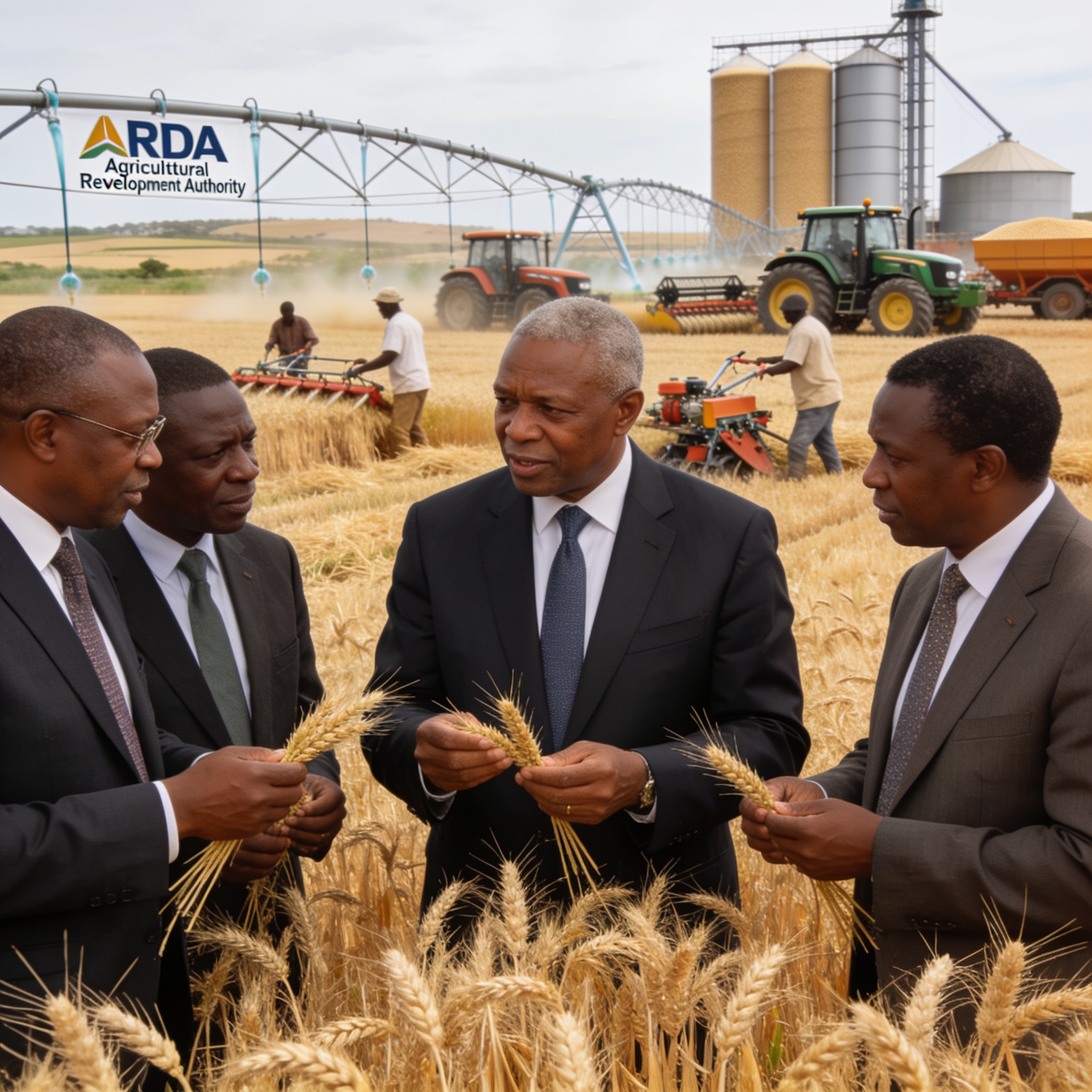
Mutoko South legislator Isaac Tasikani, who is a member of the committee, said the partnership between ARDA and farmers in Mashonaland Central has produced impressive results on approximately 200 hectares of irrigated wheat.
“The support ARDA has given to this project is what stands out. When we return to Parliament, we will push for more government funding so that more farmers can access inputs and technical help,” Tasikani said.
He added that the committee wanted to see more young people join ARDA partnerships, saying a wider rollout could boost grain reserves, increase foreign currency earnings from agricultural exports, and create jobs.
“If copied across the country, this model would strengthen the Strategic Grain Reserve and give young farmers a chance to contribute to national development,” he said.
ARDA chief executive officer Tinotenda Mhiko said the authority plans to expand irrigation to 25,000 hectares across its estates by 2030 to improve productivity and climate resilience for strategic crops like wheat and maize.
Shingirai Jenah, ARDA’s operations director for commercial production, explained that the model brings together large-scale farmers through the Strategic Grain Reserve 200+ Club, a joint venture for farmers with at least 200 hectares of arable land.
The parliamentary committee will continue touring ARDA farms across Zimbabwe to check wheat and maize yields and assess whether the production model is helping the country meet its food security and climate-resilient agriculture goals.